
Occupational Therapy (OT)
“Empowering little hands to do big things.”
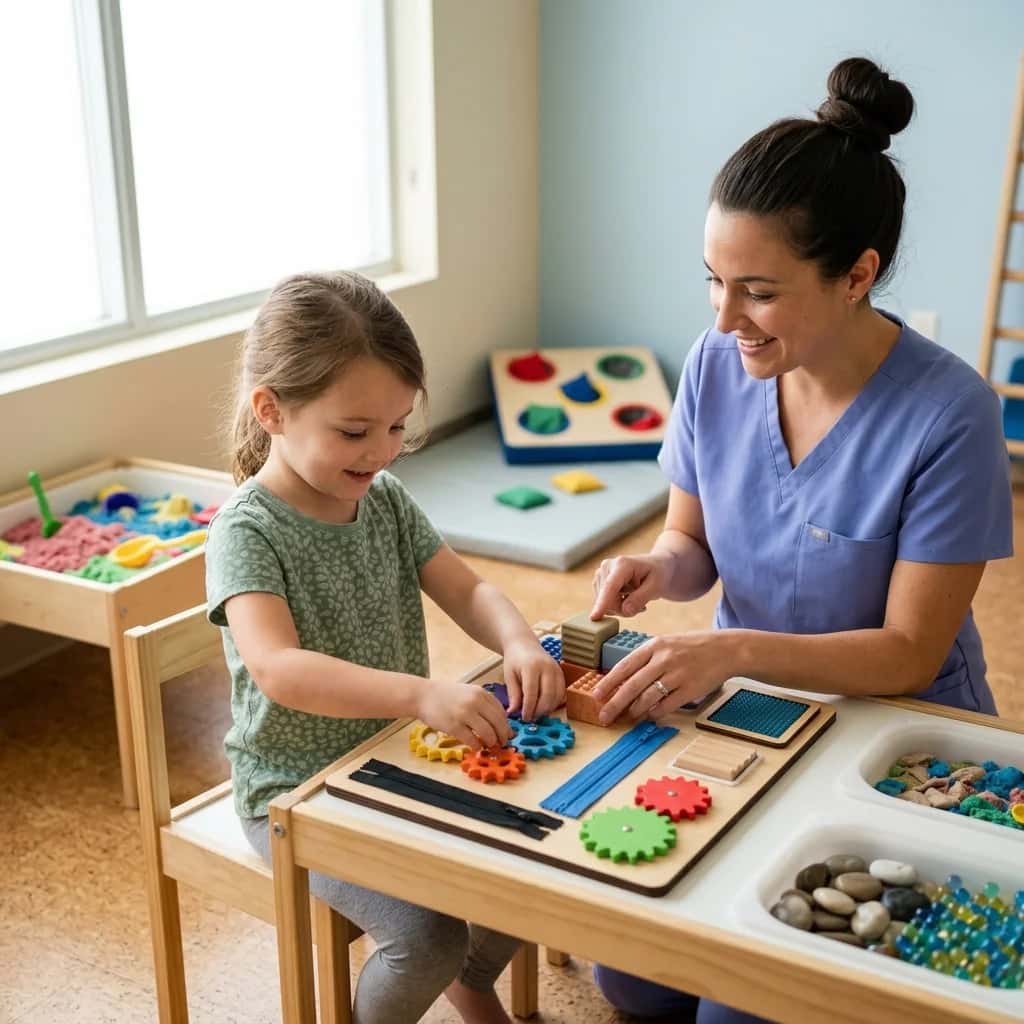
What is Occupational Therapy?
Occupational Therapy (OT) helps children develop the fine motor, sensory processing, and self-regulation skills they need to participate fully in daily life — from writing and buttoning a shirt to managing emotions in a busy classroom. At Devine CDC, our occupational therapists use engaging, play-based activities that feel like fun while building essential capabilities.
Children with sensory processing difficulties, fine motor delays, or coordination challenges often struggle with tasks that seem simple to others. OT addresses these underlying issues, giving children the confidence and ability to engage with their world independently. With the right support, children learn to navigate sensory experiences, develop handwriting skills, and build the self-care habits that set them up for success.
How Occupational Therapy Benefits Your Child
Fine Motor Development
Strengthens hand muscles and coordination for writing, drawing, cutting with scissors, and manipulating small objects.
Sensory Integration
Helps children who are over-sensitive or under-sensitive to sensory input (touch, sound, movement) learn to process and respond appropriately.
Self-Care Independence
Teaches children to dress themselves, feed independently, brush teeth, and manage personal hygiene with confidence.
Emotional Regulation
Provides strategies for managing big emotions, reducing anxiety, and building coping mechanisms for challenging situations.
Visual-Motor Coordination
Improves hand-eye coordination needed for catching balls, completing puzzles, and navigating physical spaces safely.
Attention & Focus
Addresses the sensory and motor foundations that support a child's ability to sit, attend, and participate in classroom activities.
Our Approach to Occupational Therapy
Sensory Profile Assessment
We evaluate your child's unique sensory preferences, motor abilities, and daily living skills using standardised assessments and clinical observation.
Personalised Therapy Plan
A tailored plan is created targeting specific goals — whether it's improving handwriting, managing sensory sensitivities, or building independence in self-care.
Sensory-Rich Play Sessions
Our therapy room is equipped with swings, tactile stations, fine motor activity centres, and movement equipment to provide a rich sensory environment.
Home Activity Programme
We provide parents with simple, fun activities to continue therapy at home — like dough play for hand strength or obstacle courses for coordination.
School Readiness Preparation
For children approaching school age, we focus on the skills needed for classroom success — sitting posture, pencil grip, scissor skills, and following multi-step instructions.
Signs to Watch For
If your child shows any of these signs, consider scheduling an assessment. Early identification leads to early support.
- Avoids touching certain textures (sand, paint, food)
- Difficulty holding a pencil or crayon correctly
- Struggles with buttons, zippers, or tying shoelaces
- Appears clumsy or frequently bumps into things
- Gets overwhelmed in noisy or crowded environments
- Has trouble sitting still or maintaining attention
- Resists grooming activities like hair brushing or nail cutting
Frequently Asked Questions
How is OT different from physiotherapy?
While physiotherapy focuses on gross motor skills and physical rehabilitation, OT addresses fine motor skills, sensory processing, and daily living activities. Both can complement each other in a child's care plan.
Can OT help with handwriting difficulties?
Yes! Handwriting is one of the most common reasons children are referred for OT. We address the underlying issues — hand strength, pencil grip, visual-motor coordination — to improve writing legibility and speed.
How long does OT typically take to show results?
Every child is different, but many parents notice improvements within 8-12 weeks of consistent therapy. Sensory processing improvements may take longer as the nervous system gradually adapts.
What should I bring to my child's first OT session?
Comfortable clothing your child can move freely in, any school reports or previous assessments, and a list of your main concerns or goals for therapy.
A Note for Parents
“Your child's world is full of sensory experiences and physical challenges. OT helps them navigate this world with confidence. We create a safe, playful space where every child can explore, learn, and grow at their own pace.”
— The Devine CDC Team
Ready to start?
Early intervention is key. Schedule an assessment with our expert clinicians to discover how Occupational Therapycan support your child's growth.